A slower sniff walk: my guide to an easier outing with a dog
My approach to a gentle sniff walk covers quiet routes, flexible distance, water breaks, handling, and three useful accessories to compare.
 By Juni B · Planning guide · 8 min read

I would choose a comfortable route and let the dog’s needs set the pace. This is an everyday outing idea, not an exercise prescription for an injury.
Not every outing needs a destination worth photographing. Sometimes the idea I like most is a quiet route, enough time to stop, and no pressure to turn a walk into a distance target. A slower sniff walk leaves room for that kind of ordinary afternoon.
This is a general activity idea, written for dog owners planning an ordinary outing. I would adapt it to the dog’s comfort and the conditions. A dog with an injury, recent surgery, or an exercise restriction needs a veterinary plan rather than a general walking article, even when the activity sounds gentle.
I would choose the route before choosing the distance
I would start with safe footing, permission for dogs, and a way to return easily. A short familiar loop might be more useful than a longer path with a difficult exit. I would check lead rules, opening times, and any seasonal restrictions before setting off.
I would also think about what the route feels like at that time of day. A quiet path in the morning might be busy near school pickup or a weekend event. If I want a calm outing, I would save a second option rather than expect the dog to cope with whatever appears.
I would make room for stopping
For an ordinary healthy dog whose activity is unrestricted, I would leave time for pauses and exploration within safe limits. The aim would not be to pull the dog from one smell to the next just to complete the route. I would still watch the surroundings and keep the lead managed.
I would avoid setting a universal time or mileage goal. Size, fitness, age, mobility, weather, and temperament all affect what a suitable outing looks like. If I am uncertain about a dog’s exercise needs, I would ask the veterinary team instead of copying another dog’s routine.
Simple handling would come first
I would check the collar or harness fit, inspect the lead, and make sure I can manage the equipment comfortably. I would practice with new gear somewhere familiar before relying on it in a busier place. A stronger clip is not a substitute for fit, attention, or suitable handling.
I would give other people and dogs space rather than assume every encounter needs to become a greeting. If the path becomes crowded or the dog seems uncomfortable, changing direction is an option. I would not want the idea of a relaxing walk to become an obligation to stay in an unsuitable situation.
I would check the conditions on the day
A route I like is not automatically a suitable route in every season. I would pay attention to heat, cold, rain, surface conditions, and access to shade or shelter. I would also check local notices for hazards rather than assume a familiar place has stayed the same.
I would bring drinking water and a way to offer it. A short outing can still include delays, and I would rather carry a little more than rely on finding a working tap. If conditions do not suit the dog, I would shorten the outing or choose a different plan.
Treats would support the plan, not extend it
If I carry rewards, I would use familiar ones and keep them in a clean pouch. I would not use food to persuade a tired or uncomfortable dog to keep walking. A pause, an easier route home, or an end to the outing may be the better answer.
My travel-treat guide covers the practical details: labels, portions, storage, and why I would keep food choices familiar. Carrying a pouch can make rewards more accessible, but it does not mean every pause needs a treat.
I would leave room to turn around
I would keep noticing the dog throughout the walk instead of checking comfort only at the start. A change in movement, reluctance to continue, or other signs of discomfort would make me reassess the plan. New limping is a reason to contact a veterinarian, not something I would label an ordinary tired moment.
A new limp deserves an individual assessment. I would use the health and care section as a place to organize questions, while leaving diagnosis and an appropriate exercise plan to the veterinary team.
A familiar idea can fit a trip too
If I were staying somewhere new, I would look for a simple permitted route near the accommodation before planning a bigger day. I would confirm entrances, toilet areas, and any local restrictions. The first walk does not need to be the trip’s most ambitious outing.
My hotel booking checklist covers those questions, and my packing guide keeps the essentials together. A bowl, familiar rewards, and reliable handling equipment can serve several parts of an ordinary trip.
What I would compare before buying
The three accessories below cover connection, drinking, and reward storage. I would compare their actual dimensions, cleaning instructions, and suitability for my own routine before choosing. These exact products are researched options rather than firsthand tests, so I have labeled them accordingly.
I would read recent owner reviews for patterns rather than choose solely by the average score. A report about an awkward clip, an unsuitable bowl size, or a closure that spills might be more useful than a broad claim that something is the best. If my existing gear already works comfortably, I would keep it.
A THOUGHTFUL SHORTLIST
Compare the options in this guide
I would start with the job each item needs to do, then compare the fit, care instructions, and recent owner reviews. These are researched options, with firsthand experience identified only where it has been provided.
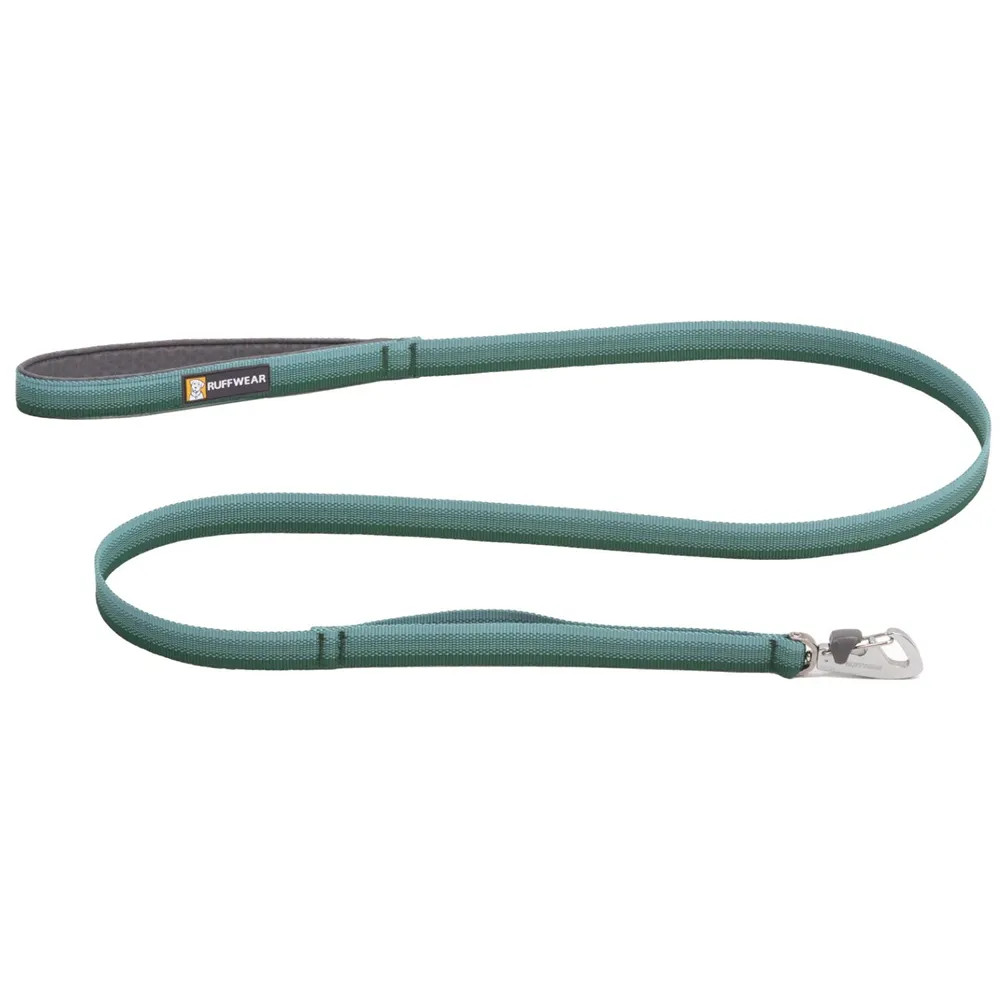
Ruffwear Front Range leash, River Rock Green
A fixed-length connection for everyday outings
I would compare a fixed-length lead when I want predictable reach on a quiet outing. I would check the clip against the attachment on my dog’s harness, inspect the stitching, and practice handling it before trying a busier route.
What I like about the option
- Padded handle and fixed-length design.
- Manufacturer provides clip and handling details to check before use.
What I’d weigh up
- Does not include a harness or replace good fit.
- A walking leash is not a vehicle crash restraint.
Researched option, not a claim about Sakura’s current lead.
Current availability not confirmed
Check availability Ruffwear manufacturer details
Kurgo Collaps A Bowl, 24 oz
A compact bowl for water breaks or familiar food
I would compare this when I need a bowl that takes up less room than a rigid dish. Its 24-ounce capacity is a useful starting point, but I would still bring enough drinking water and consider my dog’s size and drinking style.
What I like about the option
- Collapses for transport and holds up to 24 ounces.
- Manufacturer describes top-rack dishwasher cleaning.
What I’d weigh up
- One bowl may be inconvenient for food and water at the same time.
- Not chew-proof or a substitute for carrying drinking water.
Researched option, not a confirmed Sakura favorite.
Current availability not confirmed
Check availability Kurgo manufacturer details
Outward Hound Treat Tote
Keeping familiar rewards separate from pockets
I would consider a dedicated pouch if loose crumbs keep ending up in my coat. The point is access to treats my dog already tolerates, not an excuse to add more food. I would check the closure and cleaning instructions first.
What I like about the option
- Drawstring storage keeps familiar treats together.
- Belt attachment can keep rewards within reach.
What I’d weigh up
- Not refrigeration or long-term food storage.
- Needs cleaning, especially after oily or soft treats.
Researched option. Sakura’s use of this pouch has not been confirmed.
Current availability not confirmed
Check availability Treat Tote product specifications