A practical pet-sitter handover checklist
Download a blank pet-sitter checklist PDF with routines, behavior notes, packing, and emergency contacts, plus what I learned from Sakura’s home boarding.
 By Juni B · Planning guide · 12 min read

I turned the handover I wrote for Sakura into a blank, fillable four-page PDF. It covers contacts, daily routines, behavior, packing, and care notes. I also share why a kind sitter’s home suits Sakura, and the questions I would ask before choosing any overnight arrangement.
I would rather give a pet sitter one clear page they can use at the doorway than a long message thread full of updates. When someone is caring for animals in my home, the important information needs to be easy to find, current, and specific to each pet. “They are usually fine” is not much help when the sitter is trying to work out whether a bowl has been touched.
This is how I would organize that handover, not a professional pet-sitting contract or a veterinary treatment plan. I would ask the sitter what information and authorizations their service needs, then build my household notes around that. There are no affiliate links or shopping recommendations here. The useful work is writing down the routine and checking that another person understands it.
A LITTLE CARE, CLEARLY SHARED
My blank pet-sitter checklist, made for your pet
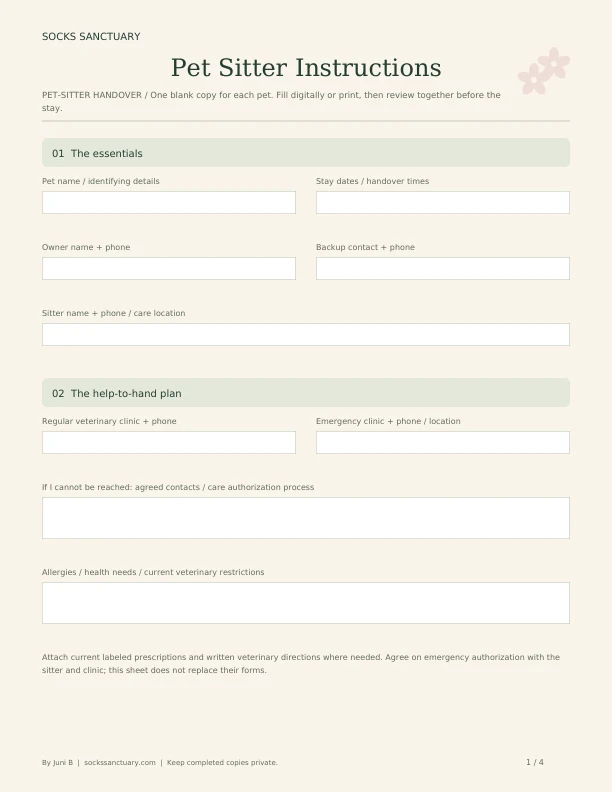
I made this from the instructions I actually packed for Sakura, with the personal details removed and more space for your own plan. The four pages cover contacts, a timed routine, behavior and care notes, and a packing list with packed-and-returned checkboxes.
Fill the PDF on your device or print it. All entry fields and checkboxes start blank, including times, medicines, and instructions. Enter your name and email below to download; no email is sent yet. The optional future-email checkbox is separate.
What worked for Sakura’s stay with Lisa
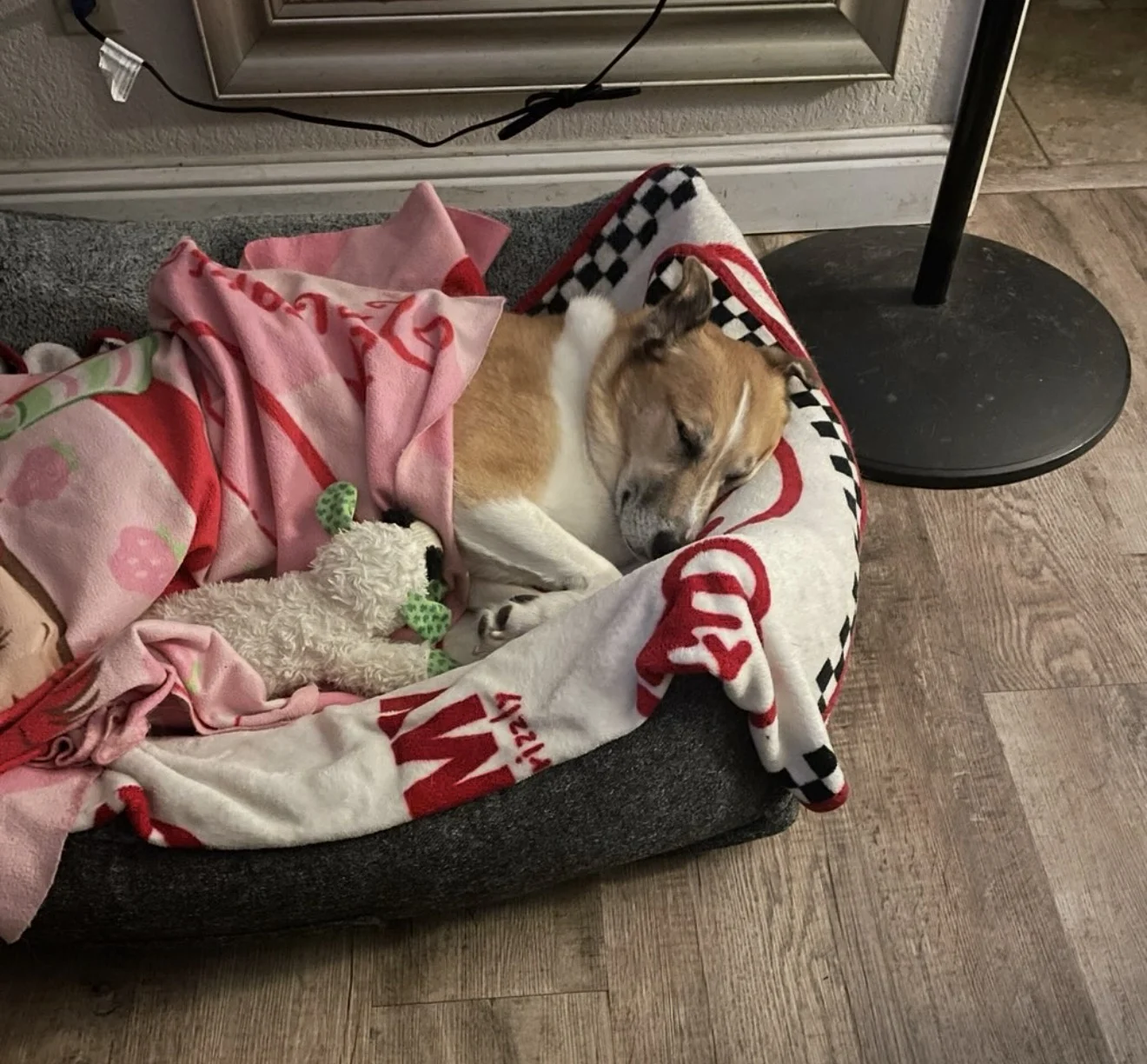
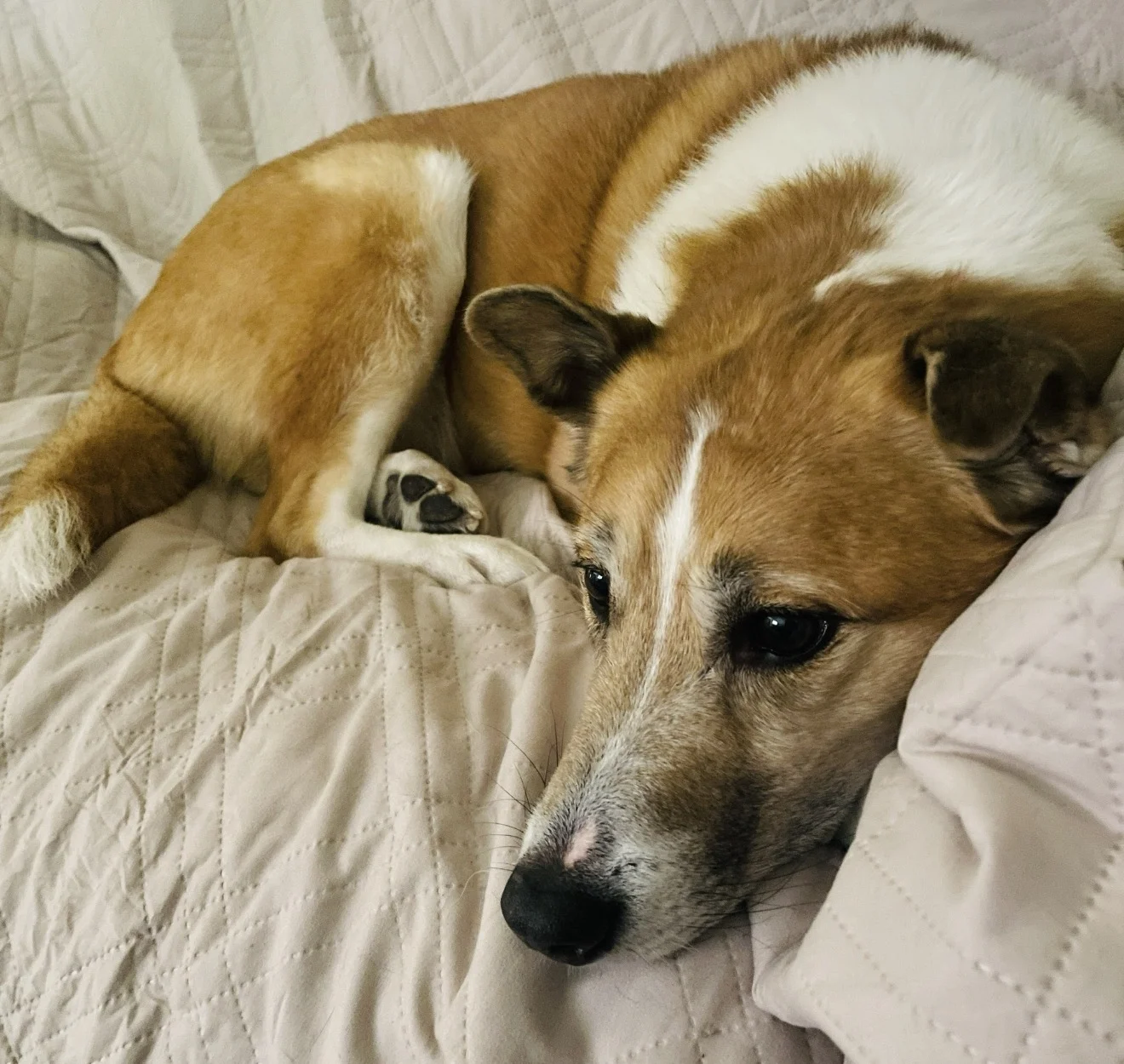
Sakura is a very friendly dog, and she is also my velcro dog. Human company and affectionate attention matter to her, so I do not choose an overnight stay by the room photos alone. Before a stay, we do a meet-and-greet. I want to see Sakura in the actual home, give her a chance to meet the sitter, and talk through what helps her feel comfortable. It is a chance for both sides to ask questions, not an audition for a perfect dog.
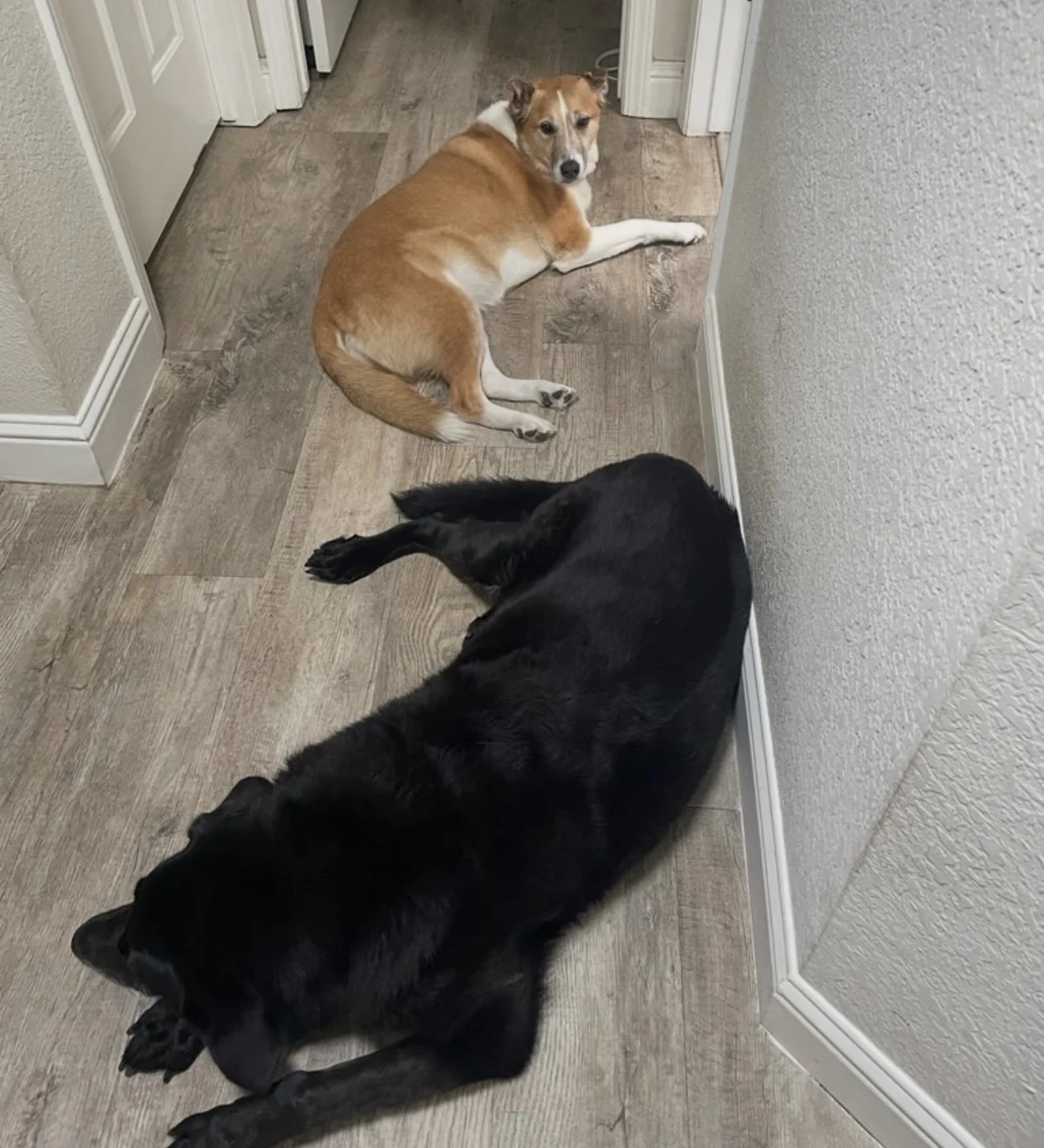
Lisa told us there would be other dogs at her home. Her approach was to meet first and check compatibility with the dogs she had already agreed to board; if they did not get along, she would not accept the booking. I appreciated knowing that before making plans. At a meet-and-greet, we also look at how they get along and whether the sitter can manage everyone’s space and boundaries. Compatible dogs can help Sakura settle, but that does not mean every dog wants company from unfamiliar animals. I care about a kind, attentive person who notices when she needs reassurance or a quieter space. Familiar beds, suitable toys, and someone spending time with her are part of that picture.
With Lisa, the stay went wonderfully. I received frequent photo updates, including at night, as well as videos. She also offered calls or FaceTime if I wanted to check in. Those updates helped me feel connected while Sakura was away. I would agree on an update routine with each sitter in advance, rather than assume every booking includes hourly messages.
A sitter, home boarding, or a pet hotel?
We often choose a trusted sitter’s home because Sakura needs that close human connection. A stay in someone else’s home is often called home boarding; a sitter can also come to the dog’s own home. I would be clear about which arrangement I am discussing, because the practical questions change. With Sakura, I want to know who will be there, what the night looks like, and how someone will respond if she has trouble settling.
I would not turn our preference into a rule that anxious dogs must never stay at a pet hotel or boarding facility. Every dog and every provider is different. A quiet, well-run facility with appropriate staffing may suit one dog, while another needs care at home or a carefully chosen home boarder. The RSPCA recommends looking closely at the individual provider and how they assess and meet a dog’s needs. A reassuring label alone does not tell me how much company Sakura will have.
| Arrangement | What I would clarify | What still needs checking |
|---|---|---|
| Care in my own home | Visit-only or overnight presence? How long will the dog be alone? | Trust, access, backup cover, and the person’s ability to follow the routine. |
| A sitter’s home / home boarding | Other pets, quiet spaces, sleeping arrangements, and introductions. | Safe separation, supervision, secure boundaries, and relevant local requirements. |
| Boarding facility / pet hotel | Actual overnight staffing, noise, individual attention, and rest areas. | How distress is noticed, who responds, and whether the setting suits this dog. |
I watch for Sakura’s pacing and panting because I know those can appear when she is anxious. She also has a quiet, almost under-her-breath whine that I recognize as one of her worried sounds. I describe those familiar patterns to the sitter because a friendly dog can still need reassurance in a different home. That is my observation of Sakura, not a way to rule out pain from the sound of a whine. I want a sitter who takes changes seriously and tells me what they observe, rather than dismissing them as a funny quirk. Panting and pacing can have other causes, including discomfort or heat, so I would not ask someone to assume it is always anxiety. New, persistent, or concerning changes need a conversation with the veterinary team.
Write behavior notes that someone can act on
My original sheet included familiar cues, comfort items, food preferences, activity restrictions, and what to do if she seemed worried. I also wrote down that she may guard treats when another dog comes close. That kind of detail deserves an honest discussion and an agreed management plan before a booking. I would describe what happens rather than use a reassuring label to imply that growling or guarding can be ignored.
The blank version gives those notes their own space. It does not repeat Sakura’s prescriptions, food amounts, household phone numbers, or schedule. It also does not copy old activity permissions into another dog’s plan. I would review current care instructions with the sitter and prescribing team, keep food and valuable items managed appropriately around other animals, and seek qualified help for guarding concerns. The aim is clarity and safety, not asking a sitter to improvise treatment or behavior training.
Put the urgent essentials on the first page
My first page would identify every animal, the dates of care, my contact details, and a reachable backup person. I would add the regular veterinary clinic and an appropriate emergency hospital, with phone numbers and addresses checked before departure. If the sitter needs authorization to seek care, I would arrange the clinic’s or sitter’s required paperwork ahead of time.
I would also agree on what to do if I cannot be reached. That includes who can make decisions and any arrangements the clinic requires. I would not assume that a note on the kitchen counter replaces the practice’s consent process. A sitter should not have to invent an emergency decision tree while trying to help an animal.
Write one short profile for each pet
I would give each animal a separate section, even when their routines seem similar. It would include the name the sitter should use, identifying markings, normal behavior around visitors, and any relevant handling instructions. A photo helps someone distinguish animals quickly without relying on a vague description such as “the fluffy one.”
I would distinguish personality from practical care information. “Very food motivated” can be a useful introduction, but the sitter also needs to know where food is stored and how to prevent access to the whole supply. I would describe hiding places, comfortable resting spots, and the signs I normally notice when that individual pet wants space.
For birds, rabbits, reptiles, fish, or other pets, I would make species-specific experience part of choosing the sitter. I would not copy a dog-and-cat schedule into another animal’s enclosure care. Their normal environment, feeding, and warning signs need instructions from the owner and appropriate veterinary or specialist guidance.
Make meals and water easy to check
For each pet, I would list the exact food, its location, the measuring method, and the existing feeding instructions. If there are several foods in the cupboard, I would label what belongs to whom. I would note what to do with leftovers and any restrictions the veterinary team has given, rather than leave the sitter to choose a substitute.
I would show the actual bowls and feeding places during the walkthrough. If pets eat separately, the sitter needs to see the order of the routine and when doors reopen. My guide to feeding cats separately explains why placing two bowls beside each other may not answer the access question. The handover should describe the arrangement already working in the home.
Water instructions would identify every source, including an ordinary backup bowl if equipment is involved. I would explain what a normal refill looks like without asking a sitter to diagnose a pet from water levels. If something seems unusual, the plan should say whom to contact. My bowl-cleaning guide can help organize the washing routine before leaving.
Keep prescribed care separate and exact
If a pet needs medication or other prescribed care, I would confirm that the sitter is willing and able to do it. The current written directions should come from the prescribing team, with the correct labeled supplies available. I would not compress a complicated plan into an informal phrase such as “the usual pill at dinner.”
I would ask the veterinary team what instructions to leave about missed doses, refusal, or unexpected symptoms. Those answers should be written down rather than guessed during a visit. A demonstration can reveal practical issues, but it does not turn the sitter into a clinician or authorize them to adjust treatment. If the arrangement cannot safely meet the pet’s needs, I would make a different care plan.
Explain access without scattering private details
I would test the key, lock, entry system, and any agreed alarm process before departure. I would tell the sitter where to park, which door to use, and how to contact the backup person if access fails. Sensitive codes belong in the private arrangement with the sitter, not in a publicly shared checklist or photo of a note on the fridge.
I would include ordinary household rules that affect pets: which doors stay shut, whether a window must remain secured, and where cleaning supplies are kept. I would point out any area the sitter should avoid. For an animal likely to approach the doorway, I would demonstrate the entry and exit routine so a visit does not begin with a chase.
Walk through equipment and disclose cameras
If a feeder, fountain, enclosure controller, or camera is part of the routine, I would explain what the sitter needs to check and what happens if it fails. I would label the relevant equipment and keep its instructions accessible. Someone still needs to observe the animal; a machine’s status screen is not the whole care visit.
I would disclose cameras before the booking, including their locations and whether audio is recorded. I would agree on the monitoring arrangement rather than surprise someone after they arrive. The local-storage camera guide covers practical questions about footage and app access, but choosing a camera does not replace discussing privacy with the person entering the home.
Agree on a short visit record
I would ask for a brief record that matches the planned care: visit time, pets seen, food offered and remaining, water refreshed, bathroom observations where relevant, and anything unusual. I would agree on the update method and timing in advance. A concise record is more useful than a large number of photos without context.
The wording should separate observation from assumption. “Did not see April during this visit” is different from “April is fine.” If a pet hides, the sitter needs an agreed way to check on that animal and a contact plan if they cannot. I would make sure nobody assumes the other household member or another sitter already completed the task.
Do a practice handover and replace old versions
Before the first unsupervised visit, I would walk through a realistic arrival, meal, cleanup, and departure. Then I would let the sitter explain the routine back in their own words. Questions at that point are useful: they show where my notes depend on knowledge I take for granted. I would correct the notes while the details are fresh.
I would date the final version and remove outdated copies. If a food, prescription, visit time, or contact changes, I would send one clear replacement and confirm the sitter has it. My aim is a calm handover that works on a busy day, not a document that looks impressive but leaves the important decisions hidden.
