Sakura’s CCL injury: coming to terms with TPLO surgery
The limp, the diagnosis, and the two weeks that helped me face a difficult decision about Sakura’s care.
 By Juni B · Personal story · 12 min read
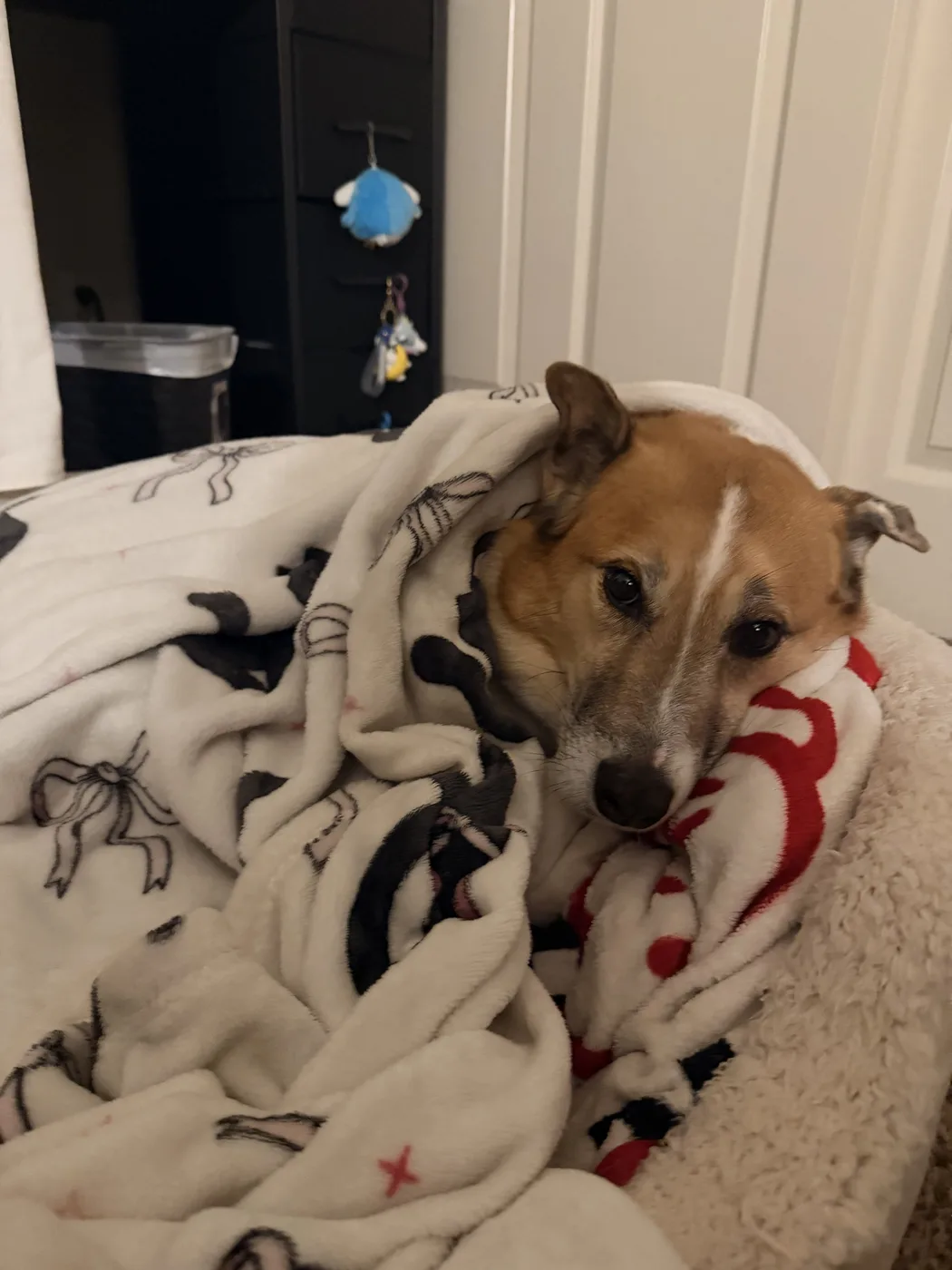
A limp led to two vet visits, a diagnosis involving both knees, and a decision I needed time to accept. This is the beginning of our story, including the carrier, gated rest area, and stroller we used to make everyday life more manageable.
This is my experience as Sakura’s owner, not veterinary advice. Her treatment plan was prescribed for her. If your dog is limping, contact your veterinarian for an assessment.
When Sakura was seven, she started limping on her left hind leg after a one-mile walk. I didn’t know then that we were about to have a conversation about torn ligaments, surgery, and a recovery that scared me more than I wanted to admit.
Before I go any further: the walk was when I noticed the limp. It does not mean the walk caused her injury. We still don’t know what caused it.
Not one CCL, but both
After two visits to the vet and a drawer test, we learned that Sakura had injured the cranial cruciate ligaments, or CCLs, in both knees. Hearing that it involved both sides was a lot to take in.
From the X-rays and mobility assessments, my understanding was that her right side had recovered enough to function better, while her left side was still giving her trouble. What I first thought of as “healed” on the right didn’t necessarily mean the torn ligament had repaired itself.
For a veterinary explanation of CCL injuries and treatment, I’ve linked VCA Animal Hospitals’ guide to TPLO surgery. It explains the condition far better than I could as a worried dog parent.
Why the idea of surgery frightened me
I’m not a veterinarian. I’m the person who loves Sakura, and hearing that she might need an invasive procedure at seven years old was frightening.
I worried about her being in pain. I worried about complications. Most of all, I worried that a decision I made could take away from the long, happy life I wanted her to have.
So I resisted the idea at first. I wanted there to be another way, something that could help her feel better without putting her through surgery.
Two weeks of rest, and a little time to process
Her vet was patient with me. Sakura was prescribed a strict no-activity plan for two weeks, along with gabapentin. This was her individual treatment plan, rather than something I’d suggest trying without a vet’s guidance.
Living on the second floor with a dog on rest
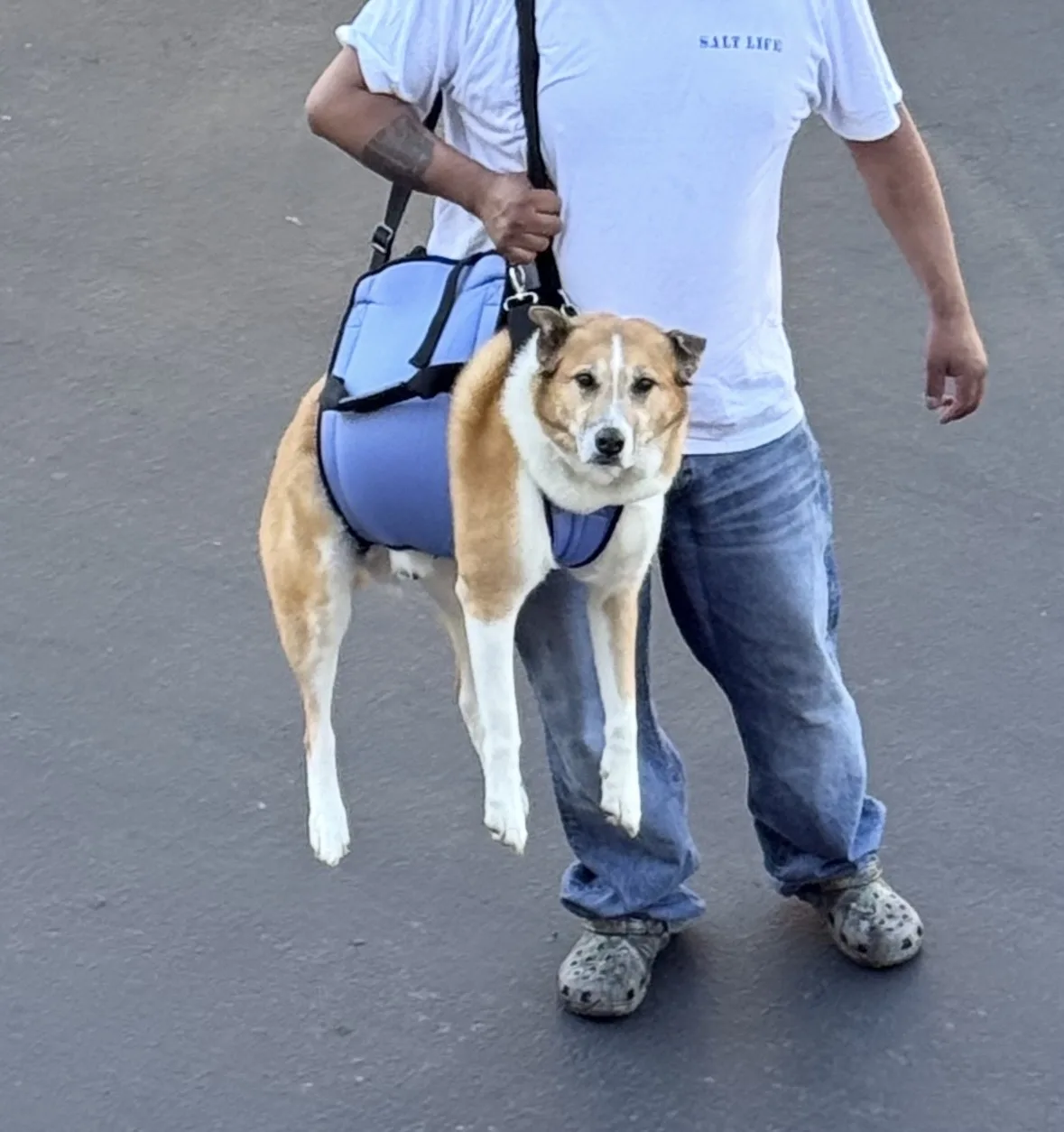
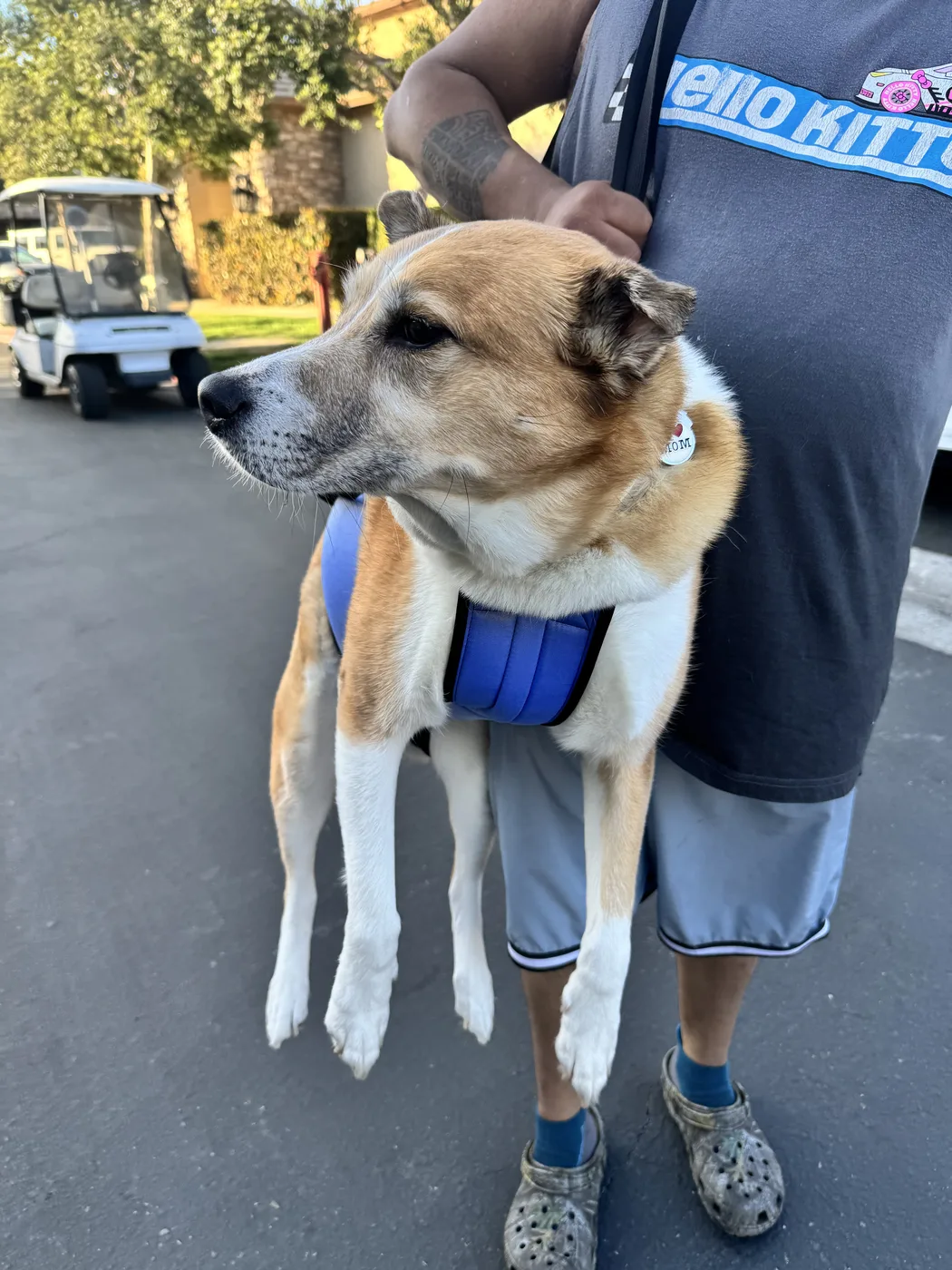
We live on the second floor, so even getting Sakura to her designated potty area took some planning during those two weeks. We used a blue full-body carrying harness to carry her up and down the stairs instead of having her walk them.
Sakura weighed 54 pounds at the time. We chose this carrier because I felt it distributed her weight more evenly while we carried her. That was my impression from using it with Sakura, rather than a claim that it will fit or support every dog in the same way.
Keeping our velcro dog in one area
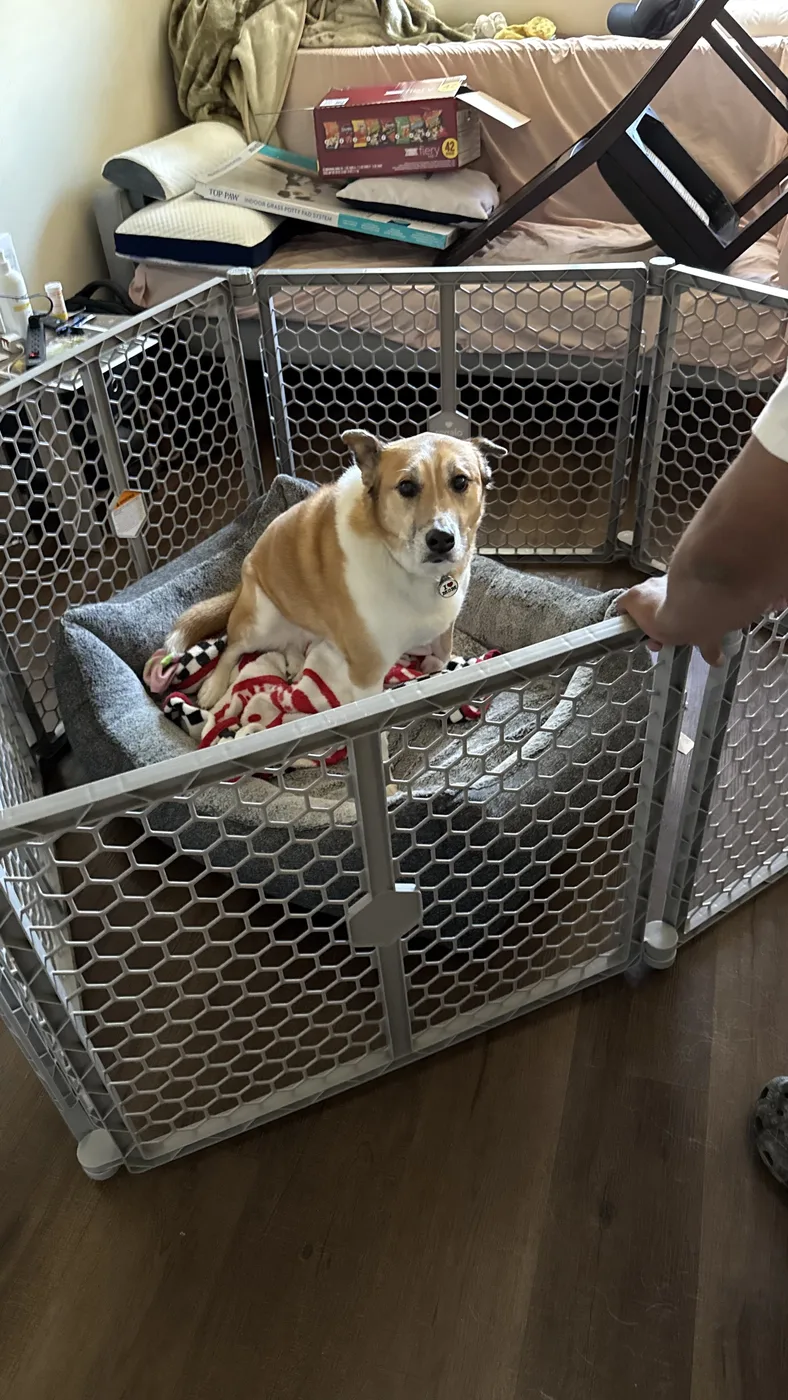
Inside the house, we used Regalo baby gates to keep Sakura enclosed in a specific area. She is a velcro dog: if someone or something moves, she wants to follow. Asking her to stay put while the rest of the house carried on was a big change to her usual routine.
The gated space gave us a way to keep her in her designated rest area rather than let her follow everyone around. It was part of how we managed the no-activity plan at home, alongside the medication and instructions from her vet.
I hoped those two weeks would bring improvement. Unfortunately, her left leg didn’t get better.
During that time, I also began to warm up to the idea of surgery. It wasn’t that I stopped being scared. I was beginning to accept that, for Sakura, the plan her vet was recommending might be the way forward.
A stroller so she could be part of my senior pictures
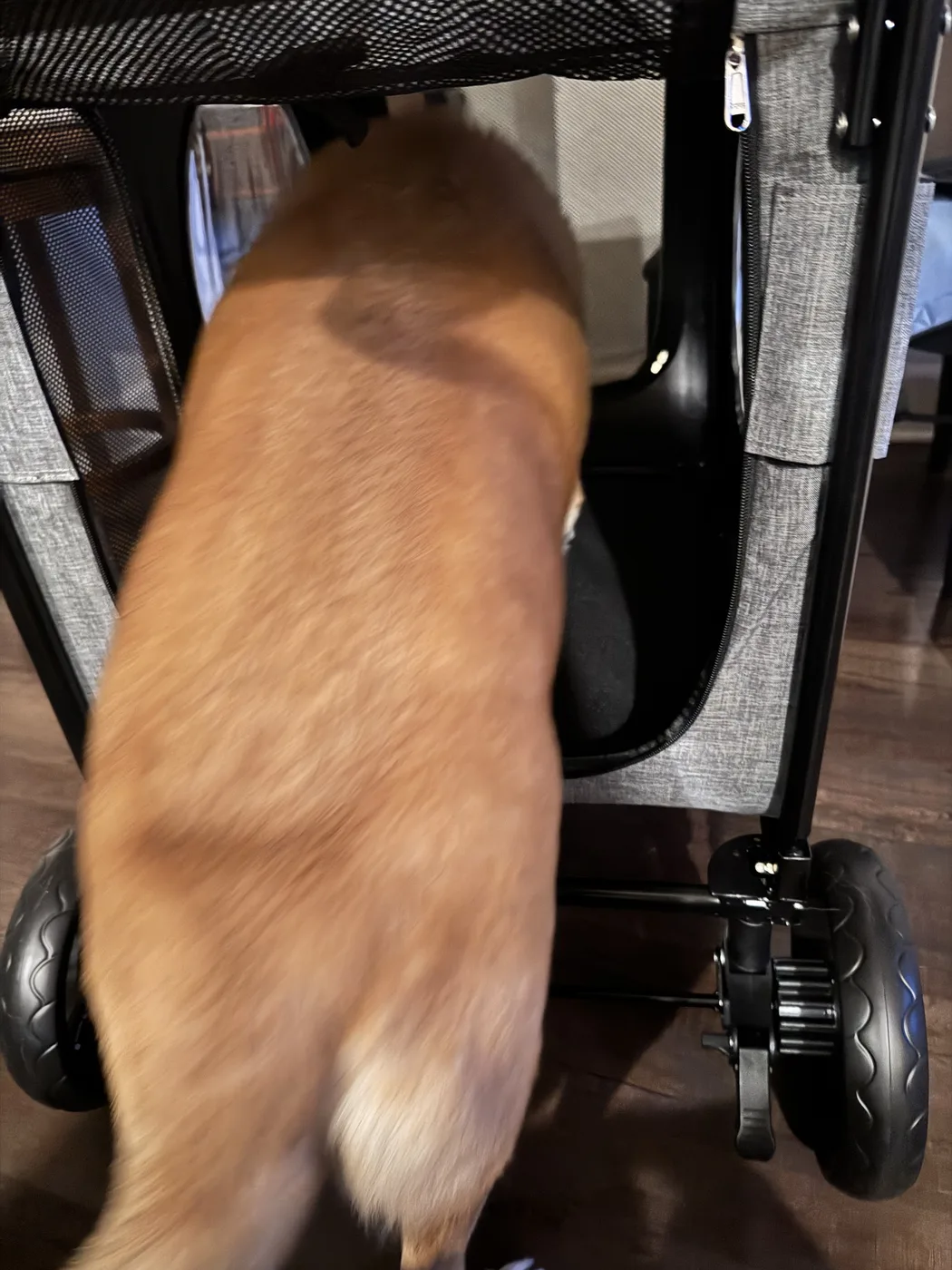
I also had my college senior pictures to take, and I wanted Sakura to be part of them. Since she could not walk for the outing, we bought a VEVOR pet stroller so she could come along.
In our experience, the stroller was easy to assemble and easy to collapse. The mesh enclosure felt very breathable, which was another detail I appreciated. Those are my impressions from using it, rather than a promise about another pet’s comfort or recovery.
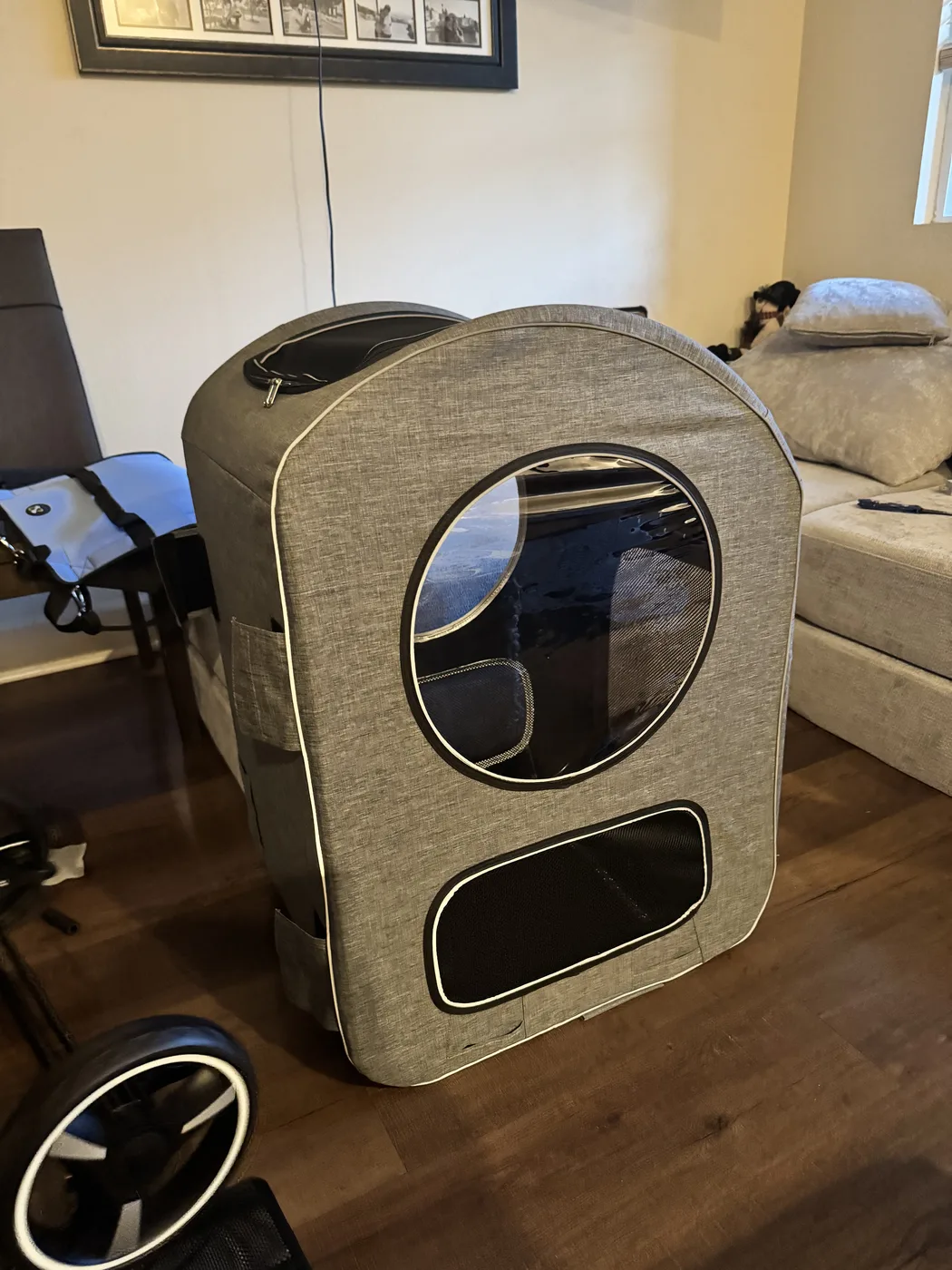
Our cat liked the stroller too. We now use it to give our cat supervised outdoor time, so it has found a place in our routine beyond the reason we originally bought it.
Facing the recovery ahead
The idea of roughly eight weeks of healing felt overwhelming to me. But an early healing period isn’t the same as a guaranteed return to normal activity at eight weeks. Recovery and activity restrictions need to follow the surgeon’s instructions and follow-up assessments.
To spare both of us, especially me, the details of the procedure, I’ll leave the medical explanation to VCA’s TPLO treatment and recovery guide.
This part of our story is about getting to that decision: noticing that something was wrong, trying the plan her vet prescribed, and slowly making room for a next step I hadn’t wanted to face.
If you’re here because you love Sakura too, you can get to know the little dog behind this journal. There is so much more to her story than this injury.
Where joint supplements fit into my story
Alongside the bigger decision about surgery, there are the smaller everyday choices, including what a dog will actually accept. Sakura enjoyed Dasuquin for about a year. Then one day, she decided she did not want it anymore. I cannot give a reason for that change, and I do not want to turn a preference into a medical conclusion.
I have linked Cosequin chewable tablets and Dasuquin soft chews below because those are the two products I want readers to be able to compare. They are both joint supplements, but they are not the same formula. I would look at the exact ingredients, the appropriate size or weight range, and the vet’s advice rather than assume one is simply the other in a different package.
Most importantly, a supplement is not a way to repair a torn CCL. I would not describe Sakura enjoying a chew as proof that it treated her injury, and I would not combine products just because they have different names. My veterinarian is the person I would ask about their place in her care.
The questions I would bring to the next conversation
If I were preparing for another conversation about the plan, I would write down the questions that are easy to forget when I am anxious. What should activity look like? What changes should prompt a call? How will follow-up visits guide the next stage? Which medicines or supplements should I mention before a procedure?
Although we used the blue full-body carrier, I would still ask the veterinary team about fit and handling for an individual dog. Our experience carrying Sakura does not establish the right technique for someone else’s pet.
Making the ordinary parts of life a little simpler
I would want the basics close at hand: the written instructions, contact numbers, labeled medication, and a clear place to record questions. I would rather simplify the day around the veterinary plan than turn recovery into a long shopping list. I do not yet have a recovery outcome to share in this part of the story.
The usual travel ideas in this journal are for another context. My weekend packing guide and slow-walk ideas are not a post-operative exercise plan. Before resuming trips or outings, I would follow the surgical team’s guidance.
What I can share now is the decision itself, including the worry that came with it. I loved Sakura before this diagnosis, and I wanted to protect her. Accepting help from her vet was part of trying to do that, even when the next step was hard for me to face.
A THOUGHTFUL SHORTLIST
Compare the options in this guide
The blue carrier, gate, and stroller below are the products we used. I have also kept the two joint-supplement links discussed in this story. My experience is specific to Sakura; supplements are not a way to repair a torn ligament, and equipment choices need to fit the individual care plan.
COODEO full-body dog carrying sling, blue
The carrier we used for Sakura’s trips downstairs
We live on the second floor and used this carrier to carry Sakura to her designated potty area during her two-week rest period. She weighed 54 pounds. I chose it because I felt it distributed her weight more evenly while we carried her.
What I like about the option
- We used it to carry Sakura rather than have her walk the stairs.
- I felt the full-body support distributed her weight more evenly.
What I’d weigh up
- My impression with a 54-pound dog does not establish suitability for another pet.
- Check measurements, fit, and handling with the veterinary team before use.
Juni B confirms using this blue carrier with Sakura during the two weeks of restricted activity before surgery.
Current availability not confirmed
Check availability Owner-selected listing; Juni B’s experience and photosRegalo 6-panel baby gate and play yard
The gated space we used for our velcro dog
Sakura wants to follow everyone and everything that moves. We used these gates to keep her enclosed in a specific part of the house during the rest period, rather than let her follow the household around.
What I like about the option
- We used the panels to define Sakura’s rest area.
- Helped us organize the no-activity routine inside the house.
What I’d weigh up
- Check the layout, openings, and installation requirements for your home.
- Do not assume a gate will prevent every dog from climbing, pushing, or escaping.
Juni B confirms using this gate setup to enclose Sakura during her prescribed rest period.
Current availability not confirmed
Check availability Owner-selected listing; Juni B’s rest-area photoVEVOR four-wheel pet stroller
How Sakura joined my college senior pictures
We bought this stroller because I wanted Sakura in my college senior pictures and she could not walk for the outing. I found it easy to assemble, easy to collapse, and very breathable. Our cat liked it too, and we now use it for supervised outdoor time with our cat.
What I like about the option
- I found assembly and collapsing straightforward.
- The mesh enclosure felt breathable in our experience.
What I’d weigh up
- Check usable interior space, access, and the selected model’s instructions.
- An outing during restricted activity still needs to fit the pet’s veterinary plan.
Juni B confirms buying and using this stroller for Sakura, with later supervised outdoor use for the family cat.
Current availability not confirmed
Check availability Owner-selected listing; Juni B’s stroller photos and experience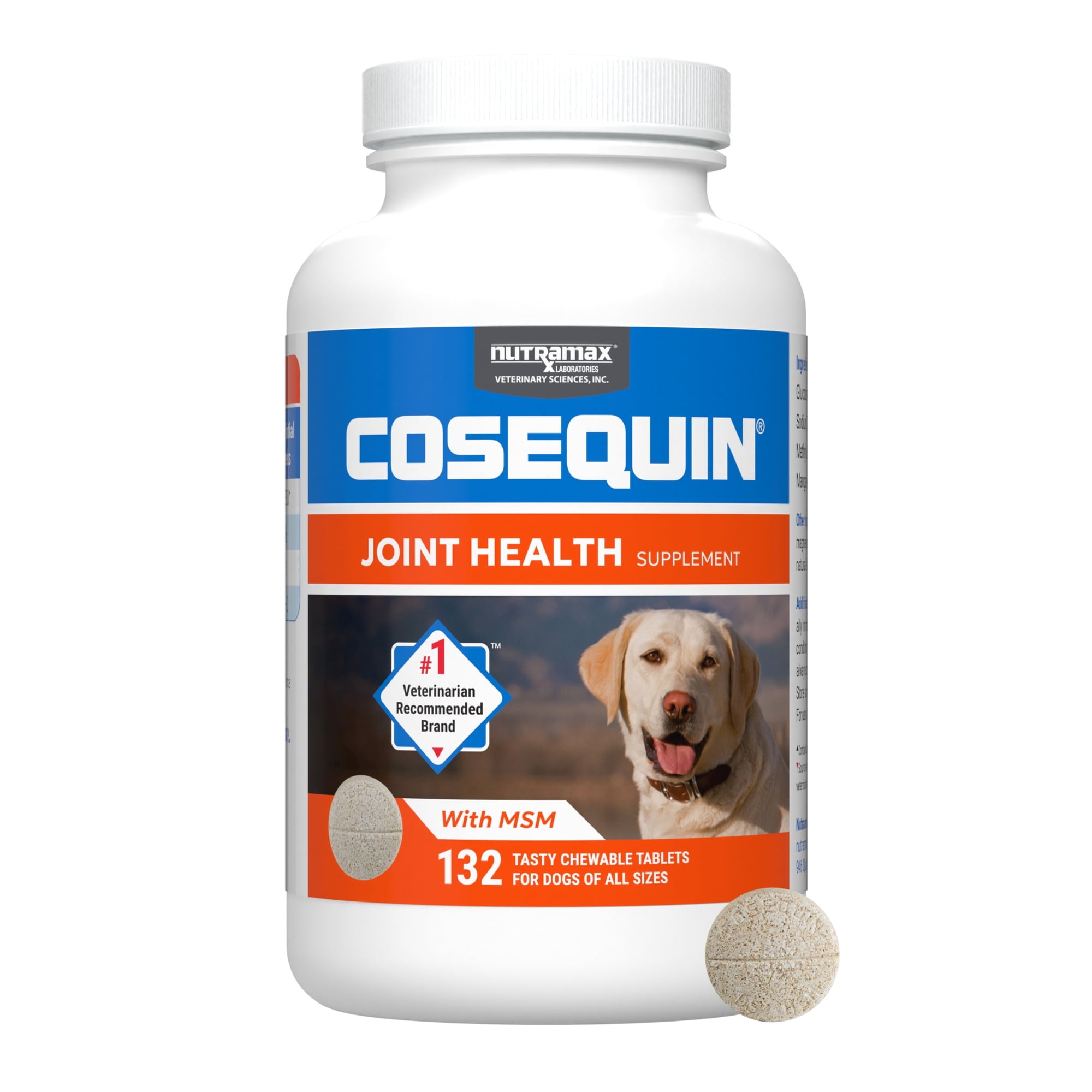
Nutramax Cosequin with MSM chewable tablets
A tablet option to discuss with your vet
I would compare this with the soft-chew option if texture, ingredients, or ease of serving matter. It is a joint supplement, not a repair for a torn CCL, and I would make the choice with my vet.
What I like about the option
- Chewable tablet format offers an alternative to soft chews.
- Manufacturer provides ingredient and weight-based label information.
What I’d weigh up
- Different formula from Dasuquin, despite a similar purpose.
- Acceptance varies, and it is not a replacement for prescribed treatment.
Owner-selected product; no confirmed firsthand result for this exact listing.
Current availability not confirmed
Check availability Cosequin product information
Nutramax Dasuquin with MSM soft chews for large dogs
The option Sakura enjoyed for about a year
Sakura enjoyed Dasuquin for about a year, then one day decided she no longer wanted it. I want that change in preference to be part of the recommendation, because a product being easy to offer once does not mean it always will be.
What I like about the option
- Sakura initially accepted the soft-chew format.
- A different format to compare if tablets are difficult to offer.
What I’d weigh up
- Sakura eventually lost interest.
- The large-dog formula must match your dog’s needs and your vet’s advice.
Owner-reported experience with Dasuquin. This is not a claim that it healed an injury.
Current availability not confirmed
Check availability Dasuquin product information
